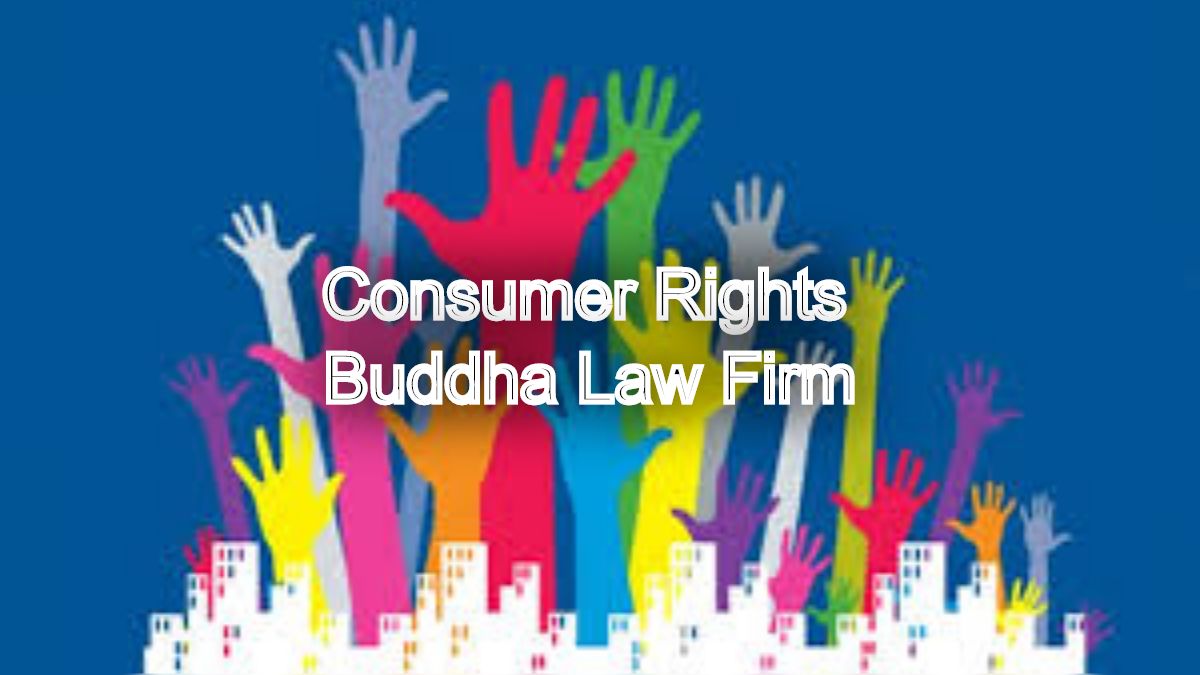
Consumer rights are crucial in today’s marketplace. They give people power and protection. These rights guard against fraud and unfair practices. Our law firm, Buddha Law Firm, believes in this protection. We know how important it is for everyone. When you buy something, you have certain rights. These rights are not just suggestions. They are legal principles. The government puts these laws in place. They make the market fair. They also hold businesses accountable. Therefore, understanding your rights is the first step.
Consumer Rights: Understanding Protections Against Fraud and Unfair Business Practices: Buddha Law Firm
The Role of Regulatory Bodies
Several agencies work to protect consumers. For instance, the Federal Trade Commission (FTC) is a big one. They stop deceptive and unfair business acts. They also investigate companies. Another important body is the Consumer Financial Protection Bureau (CFPB). It helps with financial products and services. Think about mortgages or credit cards. Furthermore, state attorneys general also play a huge role. They enforce consumer protection laws at a local level. Each of these bodies has specific powers. They can issue fines. They can also force companies to change their practices. Consequently, these agencies act as a shield for consumers.
Understanding Unfair and Deceptive Practices
What exactly is an unfair or deceptive practice? An act is deceptive if it misleads a reasonable consumer. For example, a company might make false claims about a product’s benefits. An act is unfair if it causes substantial harm to consumers. This harm cannot be easily avoided. Moreover, this harm must not be outweighed by any benefits to consumers or competition. Consider a company that charges hidden fees. That could be an unfair practice. Similarly, a company that sells a product with known defects without disclosing them is engaging in a deceptive practice.
Common Types of Consumer Fraud
Consumer fraud comes in many forms. One common type is bait-and-switch. A business advertises a product at a low price. However, when you go to the store, that product is unavailable. They then try to sell you a more expensive alternative. This is a classic example of fraud. Another form is pyramid schemes. These are illegal. People make money by recruiting new members. They don’t sell a real product or service. Identity theft is also a huge issue. Someone steals your personal information. Then they use it for their own gain. These types of fraud can cause significant financial and emotional distress. Consequently, it is vital to recognize the signs.
The Power of the Consumer
Consumers have rights that give them power. The right to safety is one. Products should not cause harm. The right to be informed is another. Businesses must provide accurate information. The right to choose means you can pick from different products. The right to be heard lets you voice complaints. This is why customer service exists. The right to redress allows you to get compensation for damages. These rights are enshrined in law. They provide a framework for a fair relationship between buyers and sellers. Furthermore, if a business violates these rights, you have legal recourse. You can file a complaint. You can also sue the company.
Legal Recourse and Remedies
If you have been a victim of fraud, you have options. First, you should try to resolve the issue with the business. Keep all your records. This includes receipts and emails. If that doesn’t work, you can file a complaint with a regulatory body. The FTC or your state attorney general are good places to start. In many cases, you can also take legal action. This is where a law firm like ours comes in. We can help you file a lawsuit. You might be able to recover damages. These can be monetary. They can also include other forms of relief. For example, a court might order the company to stop their illegal practice.
The Importance of Legal Counsel
Navigating consumer protection laws can be complex. There are many rules and procedures. This is why having legal counsel is so important. A lawyer can explain your rights. They can also help you gather evidence. Furthermore, a lawyer can represent you in court. They know the legal system. They can negotiate with the opposing party. This expertise is invaluable. It increases your chances of a successful outcome. At Buddha Law Firm, we specialize in these cases. We understand the nuances of consumer law. We work hard to get justice for our clients.
Case Studies in Consumer Protection
Let’s look at some real-world examples. A car manufacturer might sell a vehicle with a dangerous defect. They know about the issue but don’t recall the cars. This is a clear case of an unfair practice. The company could be sued. They might have to pay millions in damages. In another scenario, a telemarketer might use aggressive tactics. They pressure an elderly person into buying something they don’t need. This is a deceptive practice. The attorney general could file a lawsuit against the telemarketer. These cases show how the system works. They prove that consumer protection laws have real teeth. They are not just theoretical concepts.
The Future of Consumer Protection
Technology is changing everything. With new tech, new forms of fraud are emerging. Online scams are becoming more common. Data privacy is a growing concern. Phishing attacks trick people into giving up personal data. These new threats require new solutions. Lawmakers are working to update laws. For example, laws about data privacy are being created. Furthermore, consumers need to be more vigilant. They must learn about new scams. They should be careful with their information. Our firm is dedicated to staying current with these changes. We are ready to help clients with both old and new types of fraud.
Consumer Rights: FAQs
A1: The main consumer rights include the right to safety, ensuring products won’t cause harm; the right to be informed, so you get accurate details about goods and services; the right to choose, giving you options in the marketplace; and the right to be heard, which allows you to voice complaints and have them addressed.
A2: An unfair business practice is an action by a business that causes significant harm to consumers, a harm they can’t reasonably avoid. For instance, a company knowingly selling a defective product without informing customers is an unfair practice. These actions are often hidden and can cause financial loss.
A3: You might be a victim if a business makes false promises, uses bait-and-switch tactics, or sells you something that doesn’t match its description. Common signs include being pressured into a purchase, discovering hidden fees after the fact, or realizing a product is a sham (like a pyramid scheme). Always trust your instincts; if something feels wrong, it probably is.
A4: First, try to resolve the issue directly with the business. Keep records of all communication and transactions. If that fails, file a complaint with a regulatory body like the FTC or the Consumer Financial Protection Bureau (CFPB). For more serious issues, especially those involving significant financial loss, you should consult with a legal professional to explore your options, which might include a lawsuit.
A5: Laws like the Fair Credit Reporting Act (FCRA) and others regulate how businesses handle your data. These laws protect you against identity theft and misuse of your personal information. They give you the right to see what data companies have on you and to correct any errors. Always be cautious about sharing personal details online and with unfamiliar businesses.
Conclusion
Consumer rights are a cornerstone of a fair society. They protect us from deceit and harm. They give us power in the marketplace. Regulatory bodies work tirelessly to enforce these rights. However, personal vigilance and legal counsel are also key. Knowing your rights is the first step. Taking action when those rights are violated is the next. At Buddha Law Firm, we are committed to helping you. We stand ready to assist with any consumer protection issue. Our goal is to ensure justice and fairness for all. Therefore, if you believe you have been wronged, don’t hesitate to seek legal advice. Your rights are worth fighting for.
Read More
- Admiralty Law Basics: Navigating Legal Issues in Maritime Commerce and Navigation
- Jones Act Claims: Understanding Protections for Maritime Workers in Injury Cases
- Maritime Accidents: Legal Rights and Remedies for Injured Seafarers and Passengers
- International Trade Agreements: Legal Frameworks and Implications for Businesses
- Human Rights Law: Addressing Global Challenges and Promoting Universal Principles
- Department of Consumer Affairs, Ministry of Consumer Affairs, Food & Public Distribution