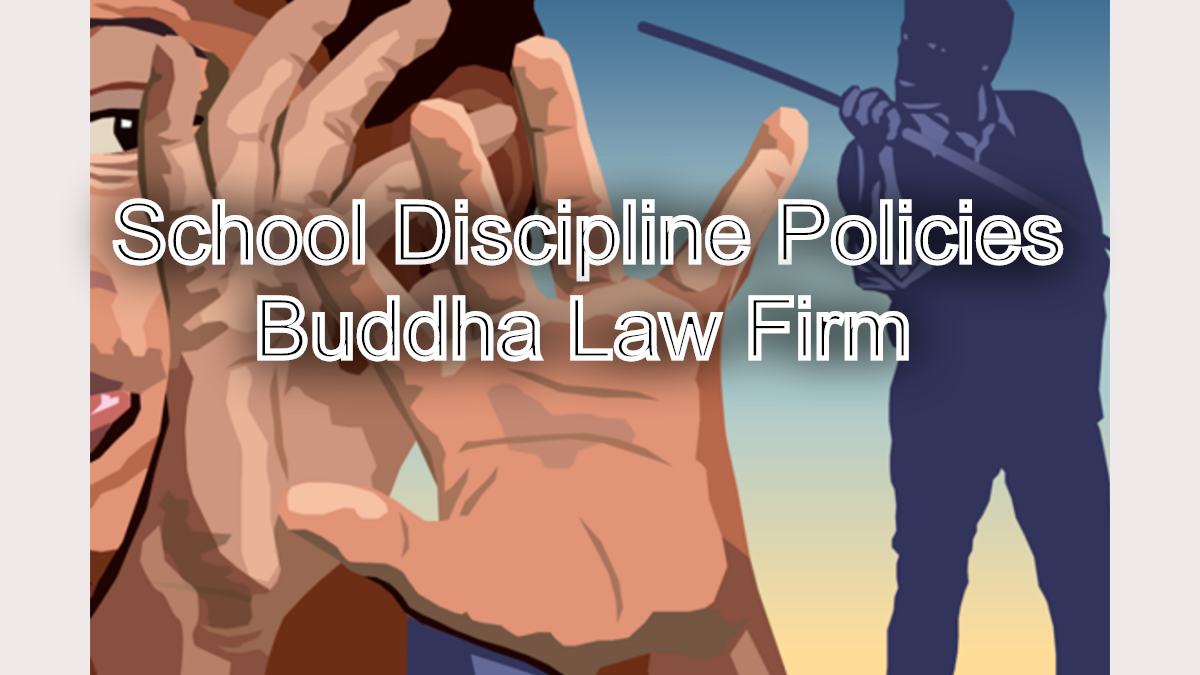
School Discipline Policies: Education is a fundamental right. It empowers individuals. It shapes futures. Schools play a crucial role. They foster learning. They instill discipline. However, disciplinary actions must adhere to legal principles. They must respect student rights. They must ensure due process. Students and their families often feel overwhelmed. They might face unfair disciplinary measures. They might not understand their legal standing. Here at Buddha Law Firm, we believe in equitable treatment. We champion the rights of students. Guide families through complex school disciplinary proceedings. We ensure justice prevails.
School Discipline Policies: Legal Rights and Due Process for Students and Families: Buddha Law Firm
The Foundation of Student Rights in India
Firstly, it is vital to understand the legal bedrock. The Constitution of India guarantees certain fundamental rights. These rights extend to students. Article 21A mandates free and compulsory education. It applies to children aged 6 to 14 years. Furthermore, Article 21 protects the right to life and personal liberty. This right includes the right to a dignified education. It encompasses protection from physical and mental harassment. The Right of Children to Free and Compulsory Education Act, 2009 (RTE Act), operationalizes these constitutional mandates. It prohibits corporal punishment. It ensures a child-friendly learning environment.
Moreover, other legal frameworks also apply. The Juvenile Justice (Care and Protection of Children) Act, 2015, addresses the rights of children in conflict with law. It includes those within institutional settings. The Protection of Children from Sexual Offences (POCSO) Act, 2012, provides stringent safeguards against sexual abuse. Therefore, students are not merely recipients of education. They are holders of inherent legal rights. These rights must be respected during disciplinary actions.
Understanding School Discipline and its Scope
Subsequently, consider the nature of school discipline. Schools maintain discipline for several reasons. They ensure an orderly learning environment. Promote respect. They foster responsible behavior. Discipline policies outline expected conduct. They also detail consequences for infractions. These might range from minor offenses. They can include dress code violations. They might involve serious misconduct. This includes bullying, violence, or substance abuse. However, the scope of school authority is not absolute. It is bound by law. It must respect individual rights.
Moreover, disciplinary actions vary. They range from warnings. Might involve detentions. They could escalate to suspensions or expulsions. Each action carries different implications. It affects a student’s academic record. It impacts their future prospects. Consequently, the severity of the action demands a proportionate application of legal safeguards. It requires adherence to natural justice.
The Principle of Due Process in School Discipline
Crucially, due process is the cornerstone of fair disciplinary proceedings. It ensures that students are treated justly. It protects them from arbitrary decisions. Due process means fairness in the procedure. It involves giving a person a fair hearing. It allows them to present their side.
There are key components of due process in the school context:
1. Notice of Charges: Generally, the student must receive clear notice. This notice must be in writing. It must specify the alleged misconduct. It must detail the specific rules violated. The notice should provide sufficient information. This allows the student to understand the accusations. It enables them to prepare a defense. Therefore, vague or unwritten accusations are unacceptable.
2. Opportunity to be Heard (Hearing): Moreover, the student must have an opportunity to present their version of events. This typically occurs in a hearing. They should be allowed to explain their actions. Can present evidence. They might call witnesses. The formality of the hearing varies. It depends on the severity of the potential punishment. For minor infractions, an informal discussion might suffice. For serious penalties like suspension or expulsion, a formal hearing is usually required.
3. Right to Representation: Furthermore, for serious disciplinary matters, students might have the right to an advisor or legal representation. While not always a full-fledged legal counsel, an adult advocate can assist the student. This ensures their rights are protected. It helps them navigate the complex process.
4. Access to Evidence: Additionally, the student (or their parents/guardians) should have access. They must see the evidence against them. This includes witness statements or other relevant documents. This ensures transparency. It allows for a proper defense.
Legal Terms Governing School Discipline
While navigating school disciplinary issues, several legal terms are highly relevant.
1. Corporal Punishment: This refers to physical punishment. It involves inflicting bodily pain. Includes hitting, slapping, or caning. It is strictly prohibited in Indian schools. This prohibition is enshrined in the RTE Act. It is reinforced by various court judgments.
2. Natural Justice: This embodies the principles of fairness. It ensures unbiased decision-making. Its two main pillars are “audi alteram partem” (hear the other side) and “nemo judex in causa sua” (no one should be a judge in their own cause). All disciplinary proceedings must adhere to these principles.
3. Suspension: This is a temporary removal of a student from school. It can be for a specified period. The student loses privileges during this time.
4. Expulsion: This is a permanent removal of a student from school. It is the most severe disciplinary action. Typically follows grave misconduct. It has significant long-term consequences for the student’s education.
5. Writ Petition: This is a powerful legal remedy. It can be filed in a High Court or the Supreme Court. Challenges arbitrary or illegal disciplinary actions. It seeks judicial review of administrative decisions.
6. Discrimination: This involves unfair treatment. It is based on protected characteristics. These include caste, religion, gender, or disability. The Constitution and RTE Act prohibit discrimination against students.
7. Child Protection Officer (CPO): Many schools are mandated to have a CPO. This officer handles grievances. They ensure child safety and protection. They are a point of contact for concerns about discipline.
When to Seek Legal Counsel
Subsequently, knowing when to engage legal experts is crucial. Do not hesitate if your child faces serious disciplinary action. This includes potential suspension or expulsion. Consult a lawyer if you believe your child’s due process rights have been violated. This might involve lack of proper notice. It could be denial of a hearing. Seek legal advice if there is evidence of discrimination or unfair treatment.
Moreover, if the school’s policy seems arbitrary. If it contradicts established legal norms. If your child has been subjected to corporal punishment. These situations warrant immediate legal intervention. Our firm, Buddha Law Firm, provides timely and effective legal assistance. We protect your child’s academic future. We safeguard their fundamental rights.
The Role of Buddha Law Firm
Navigating school discipline policies can be daunting. It involves understanding complex legal frameworks. Demands clear communication. It requires assertive advocacy. Our team at Buddha Law Firm specializes in education law. We possess extensive experience in student rights. We are well-versed in the RTE Act. Understand the latest judicial pronouncements. We provide tailored legal strategies.
We meticulously review your case details. Assess the school’s compliance with due process. Help you understand your options. We draft robust legal communications. We represent you in negotiations with the school. If necessary, we pursue legal remedies. This includes filing writ petitions in higher courts. Our commitment is unwavering. We strive to ensure fair treatment. Secure the best possible outcome for your child. We advocate for their right to an education free from arbitrary actions.
FAQs: Student Rights in School Discipline
Students in India possess several fundamental rights. Article 21A of the Constitution guarantees the right to education. Furthermore, Article 21 protects their right to life and personal liberty, which includes the right to a dignified education free from physical or mental harassment.
Due process ensures fairness in disciplinary procedures. For serious actions like suspension or expulsion, it means the student must receive clear notice of charges in writing, specifying the alleged misconduct.
No, corporal punishment is strictly prohibited in Indian schools. Section 17(1) of the RTE Act explicitly bans both physical punishment and mental harassment of children. Violation of this provision can lead to disciplinary action against the perpetrator under applicable service rules.
Families should consider seeking legal assistance if their child faces serious disciplinary actions such as suspension or expulsion, or if they believe their child’s due process rights have been violated (e.g., no proper notice, denial of a hearing).
If a school’s disciplinary action is unfair or illegal, several legal remedies are available. Families can initially pursue an appeal within the school’s internal grievance mechanism. If that fails, a writ petition can be filed in the High Court to challenge arbitrary decisions, seeking judicial review. Additionally, for issues like corporal punishment or severe harassment, a criminal complaint might be initiated. Rajendra Law Office LLP assists families in pursuing all appropriate legal avenues to protect student rights.
Conclusion
In conclusion, school discipline is essential. It contributes to a productive learning environment. However, it must always respect the legal rights of students. It must adhere to the principles of due process. Students and families are not without recourse. They possess significant legal safeguards. Understanding these rights is empowering. It enables effective advocacy. Our law firm, Buddha Law Firm, is dedicated to protecting these rights. We provide expert legal guidance. We offer compassionate representation. Ensure every student receives fair treatment. We help them secure their educational future. Therefore, remember, you have rights. Your child has rights. Do not hesitate to seek legal assistance when facing disciplinary challenges. We stand ready to help.
Read More
- Title IX Compliance: Addressing Gender Discrimination and Sexual Harassment in Education
- How to Structure Bulletproof Commercial Agreements in India
- Special Education Rights: Advocating for Students with Disabilities in Schools
- Mergers & Acquisitions Lawyers in Chennai – Navigating Complex Deals
- Maximizing Benefits: Legal Strategies for IT Exporters Under STPI
- Ministry of Education, Government of India